Exploring the categories, origins, and general properties of natural substances traditionally associated with joint wellness.
Botanical compounds represent a diverse category of natural substances derived from plants, roots, leaves, seeds, and other organic materials. Throughout history, different cultures have developed extensive knowledge about these materials and their role in traditional wellness practices.
This exploration aims to present factual information about these compounds—their origins, traditional uses, and general properties—without making medical claims or positioning them as treatments or cures for any condition.
The use of botanical materials in wellness traditions spans thousands of years across numerous cultures. From Ayurvedic practices in India to traditional Chinese medicine to European herbalism, different societies have identified and cultivated knowledge about specific plants and their general roles in supporting wellness.
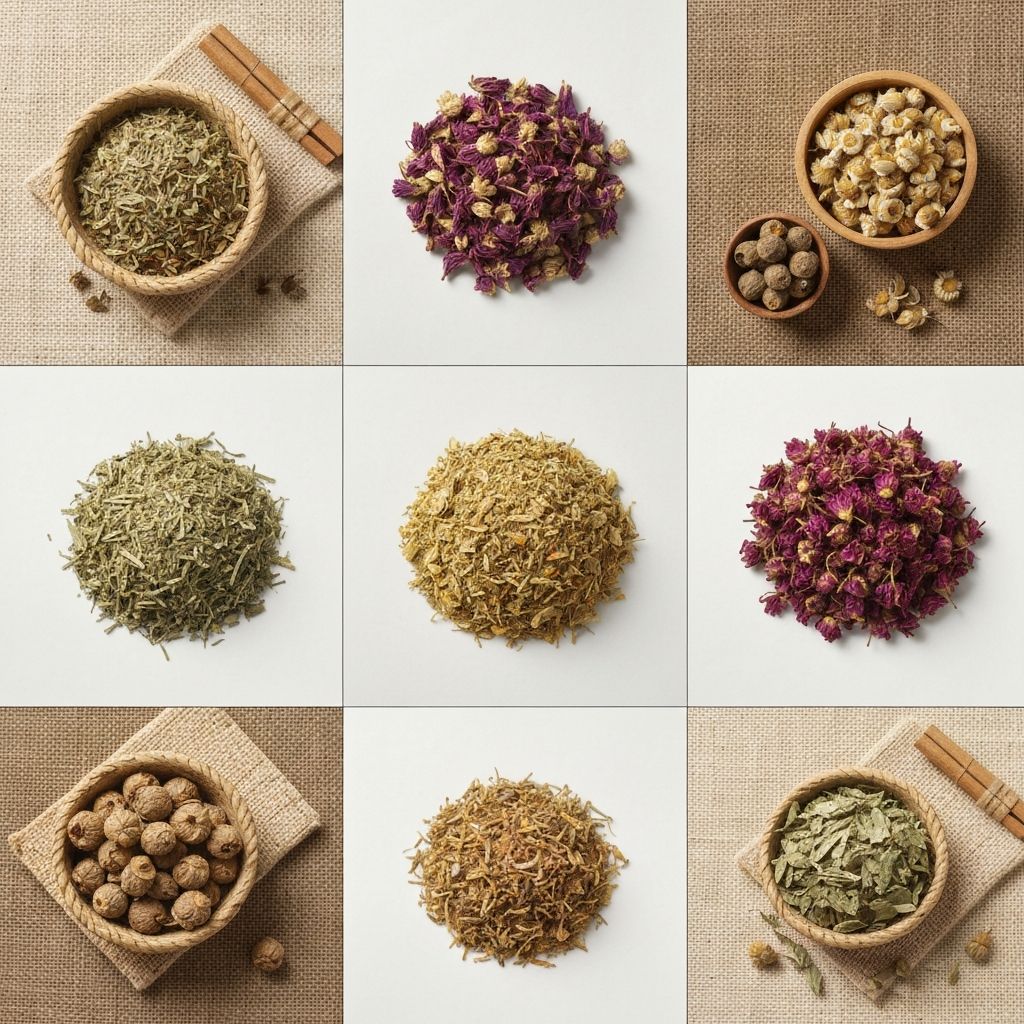
Leaves from various plants have been traditionally used in wellness practices. These include common culinary herbs with general health properties and more specialized botanical materials studied for their composition and general physiological effects.
Underground plant materials have been central to many traditional wellness systems. Roots and rhizomes contain concentrated compounds and have been studied for their general effects on bodily systems.
Seeds and fruits often contain specific botanical compounds that have been examined in traditional and modern research contexts for their nutritional and general wellness properties.
Botanical compounds interact with the body through various mechanisms. Understanding these general properties is key to appreciating why these materials have been valued across cultures:
Without making claims about medical efficacy, we can explore how different cultures have traditionally employed botanical compounds:
Ayurvedic and Traditional Chinese Medicine systems have developed sophisticated classifications of botanical materials based on their general properties and traditional uses in supporting various aspects of health.
Western herbalism traditions have documented specific plants and their general roles in wellness, with knowledge passed through generations of practitioners.
Indigenous cultures worldwide developed detailed knowledge about local botanical materials and their applications in traditional wellness systems.
Contemporary research continues to examine botanical compounds through scientific methodology. This research seeks to understand:
It's important to note that ongoing research does not equate to established medical proof. Rather, it represents scientific exploration of how botanical substances work within the body's natural processes.
Not a medicinal product. Consult a healthcare professional before use.
This article presents information for educational purposes only. It does not constitute medical advice, diagnosis, treatment, or the claim that any botanical compound can cure, treat, prevent, or mitigate any disease or condition. Individual responses to botanical compounds vary, and professional medical guidance should always be sought for health concerns.
Dive deeper into how botanical compounds interact with the body's systems.
Read Next